Top 5 Articles of The Month
May 2026 Edition
-
#1. Lead in Protein Powders? Facts, Risks, and our Top 10 Clean Picks for 2025
Get the facts on lead in protein powders—sources, risks, and safer choices—plus our top 10 clean picks for 2025.
-
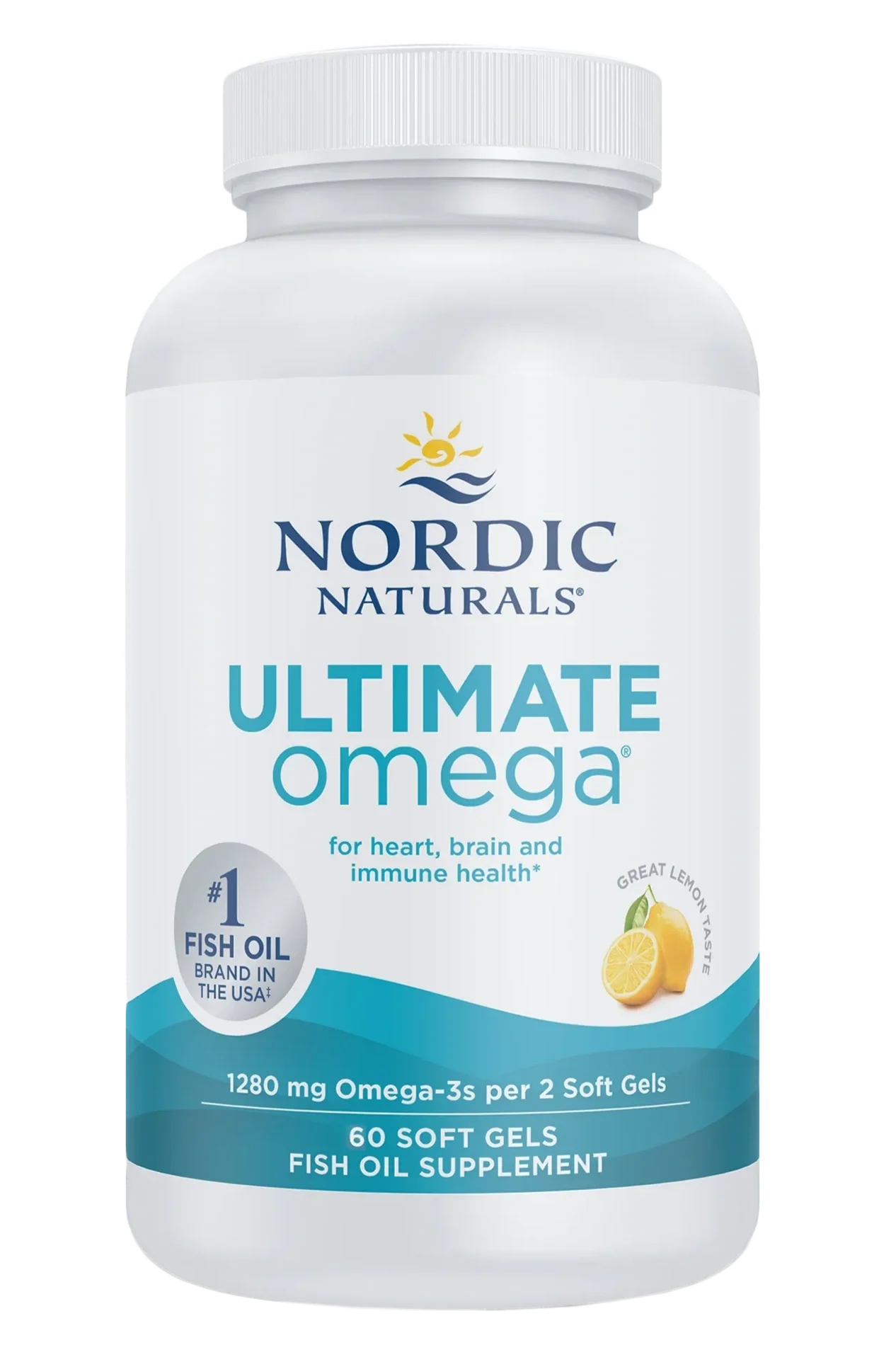
#2. Best Omega-3 Fish Oil in 2026: Purity-Tested Picks for Inflammation and Brain Health
Find the best omega-3 fish oil supplements in 2026—ranked by purity testing, potency, and value.
-
#3. When to Drink Water for Better Digestion
Learn the best times to drink water to support smoother digestion, reduce bloating, and maximize nutrient absorption.
-
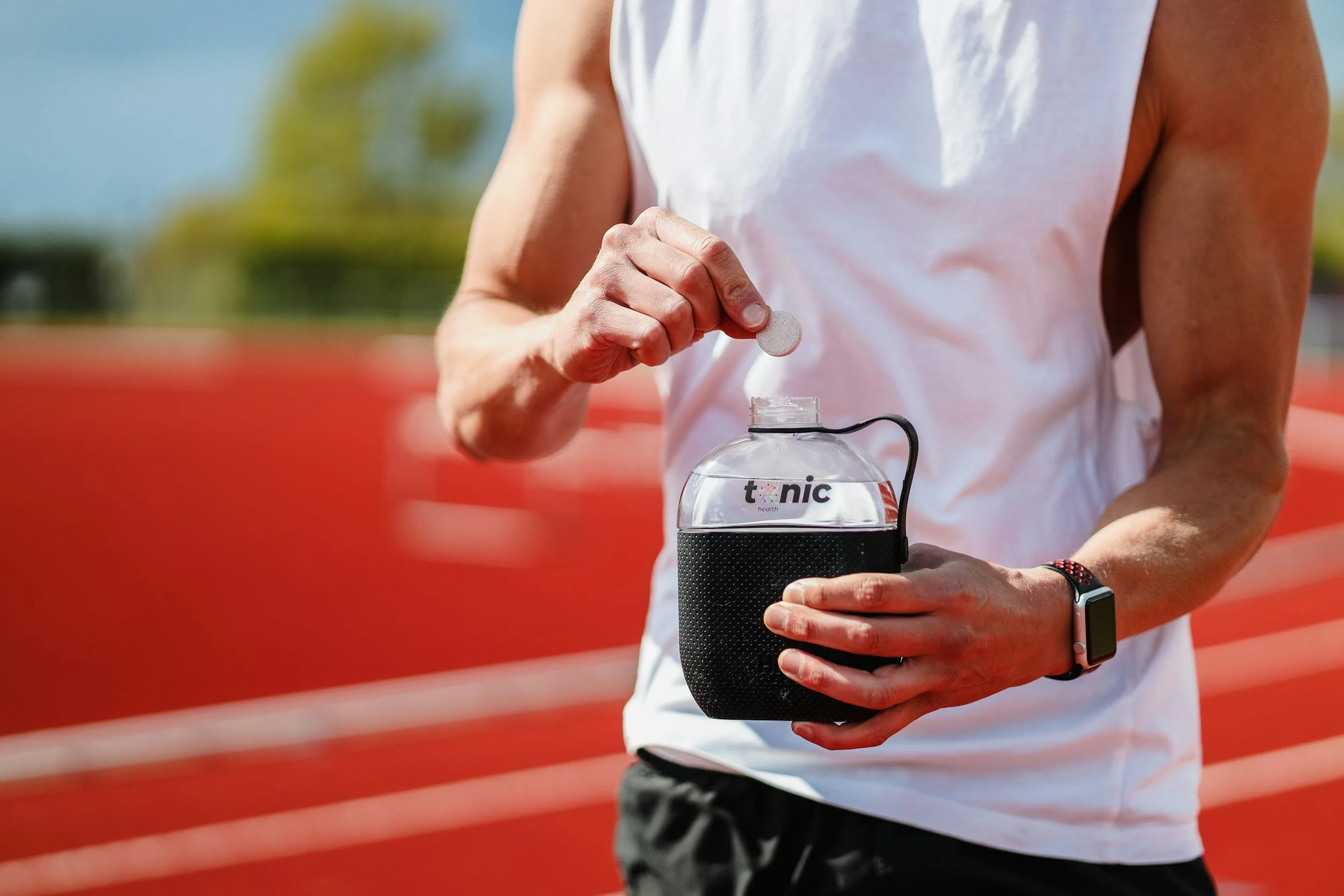
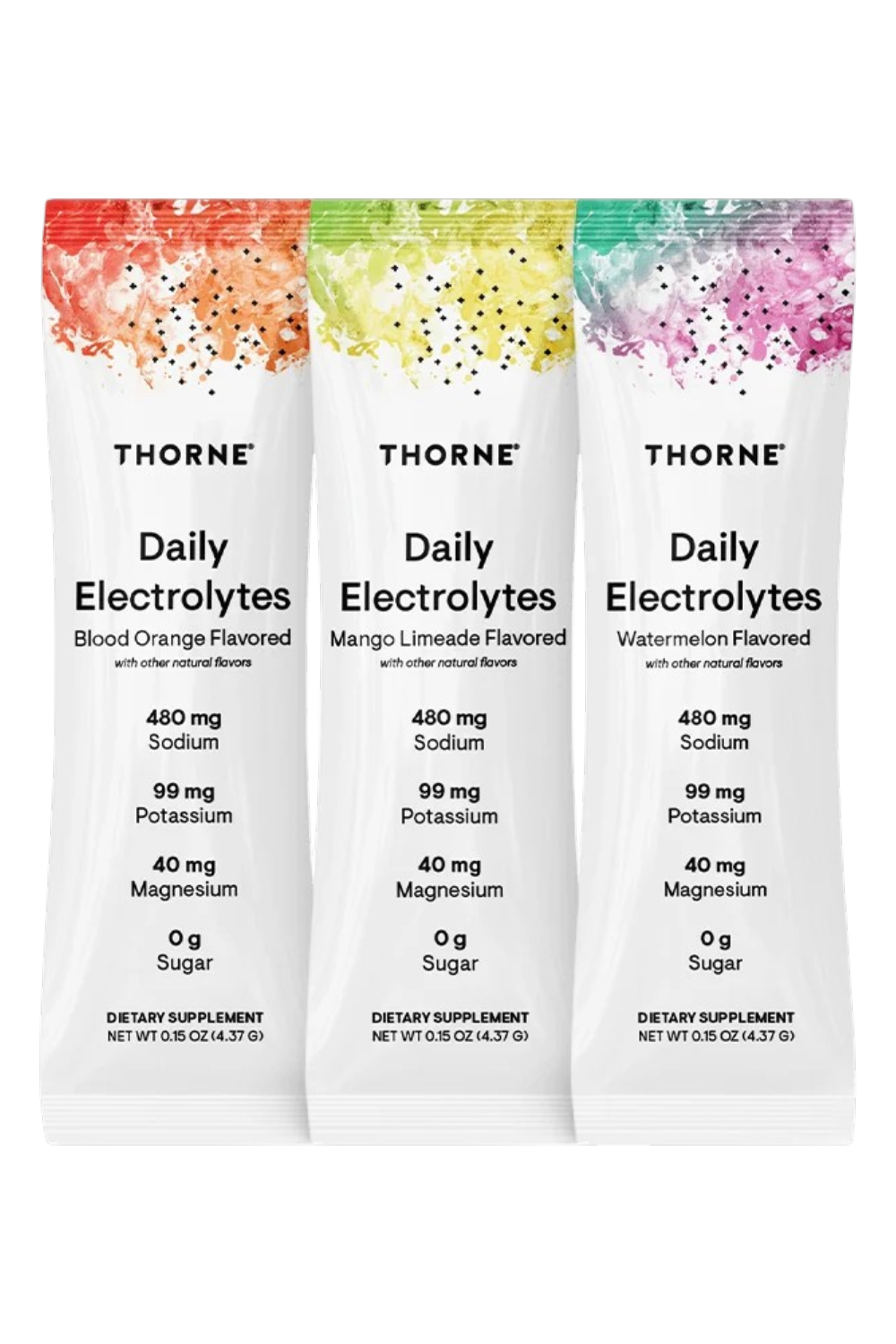
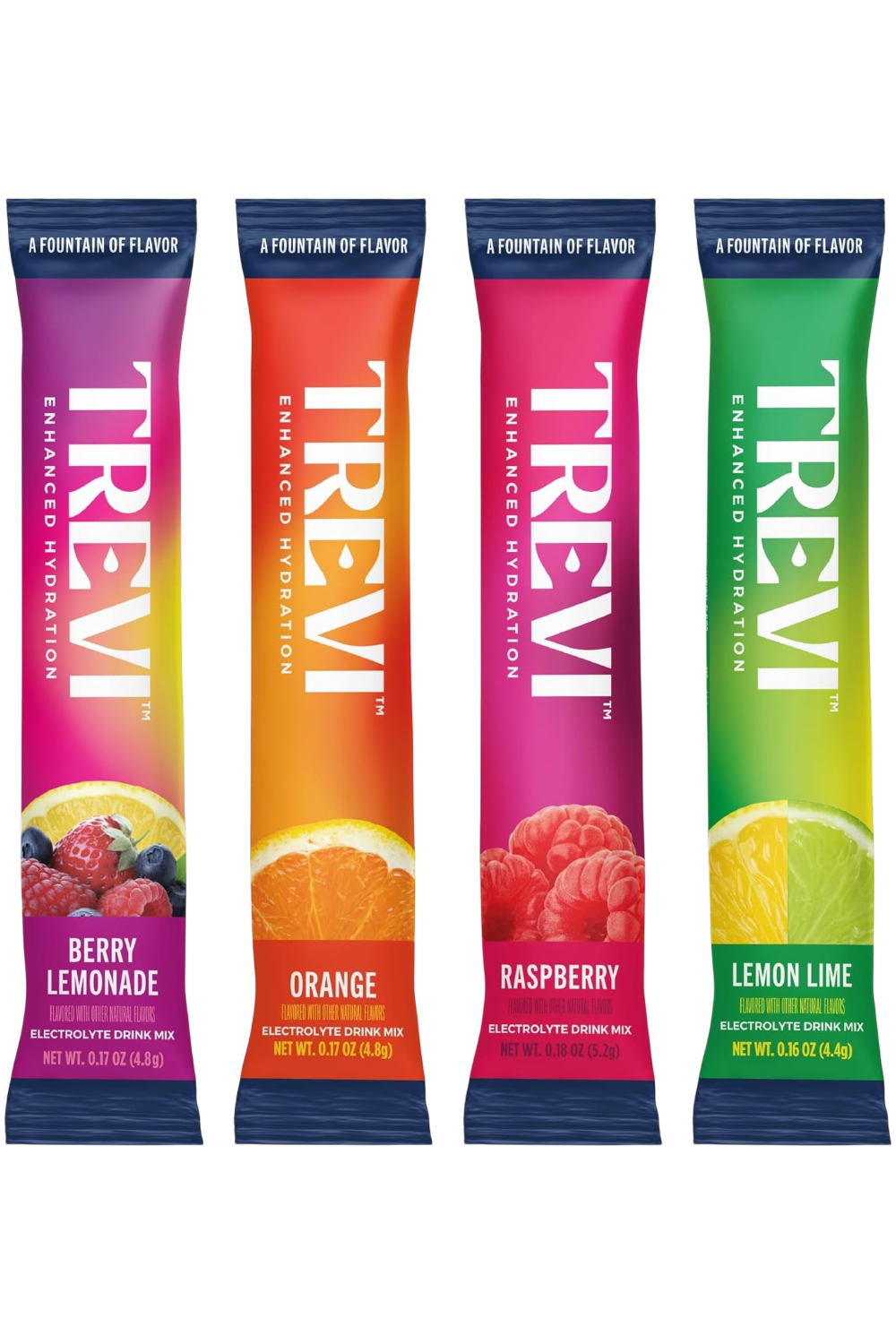
#4. 25 for 2025: Hydration And Electrolyte Packet Scorecard
Find the best hydration & electrolyte mixes—scored on a 100-point system by purity, potency, and value.
-
#5. How Calf Raises Lower Blood Sugar: The Simple Move with Big Metabolic Benefits
Learn 3 ways calf raises lower blood sugar, reduce post-meal spikes, and improve daily metabolic balance.
Reader Favorites: Reviewed Picks
-
1. BestQool Red Light Therapy Device
-
2. Nordic Naturals Ultimate Omega
-
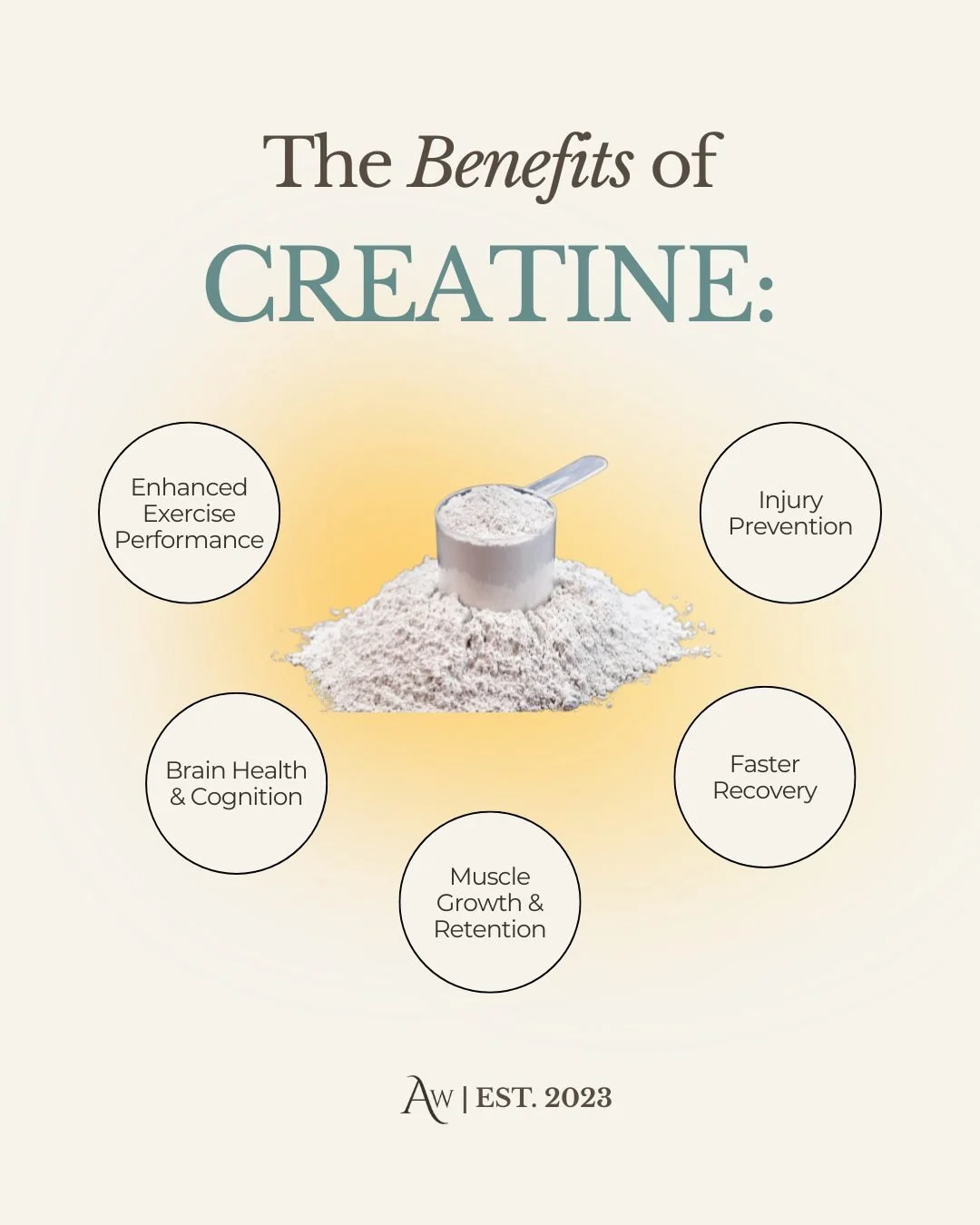
3. Orgain Creatine Monohydrate Micronized Powder
-
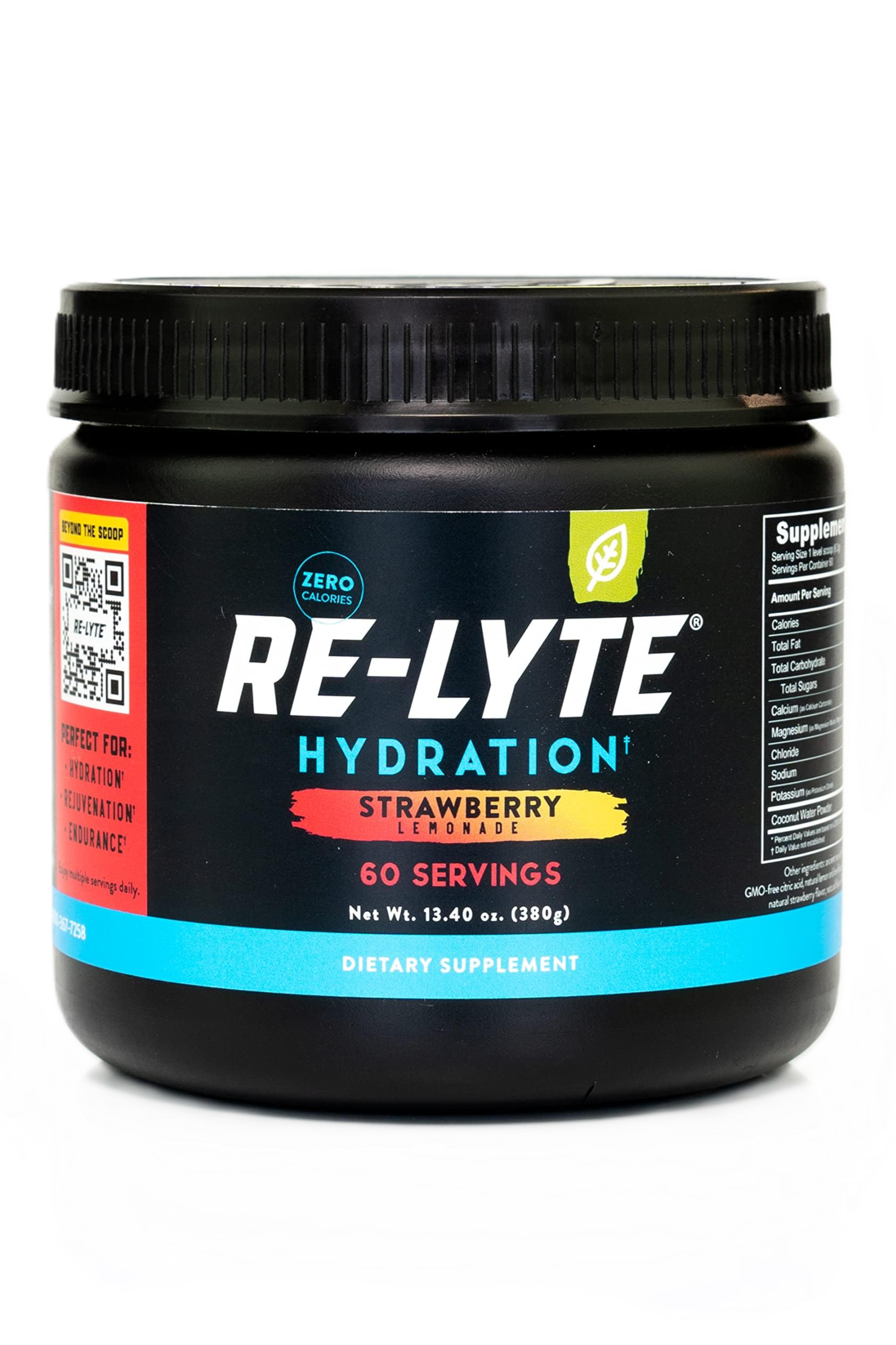
4. REDMOND Re-Lyte Hydration Electrolyte Powder
-
5. Transparent Labs Bulk Pre Workout Powder
Explore Our Research-Backed Health & Wellness Product Reviews
Browse evidence-based wellness product reviews organized by category so you don’t have to guess what works. From sleep aids and magnesium supplements to fitness trackers, recovery tools, apps, and mental health books, each review breaks down key features, pros and cons, and best fit—helping you skip the hype and choose products that match your body, budget, and goals.
Wellness that Works: Altruva’s Latest Insights
Strength plateaus are almost always fixable. Learn how progressive overload works, why most people stall after a few weeks, and how to start making progress again.
Can bodyweight exercises build muscle? This guide breaks down the research, and provides a practical 4-week plan to help you gain strength without gym equipment.
Excessive stretching without strength work can reduce stability and force output. Learn why mobility requires control, not just passive range, and how to fix it.
Learn why 70% of fitness injuries are preventable and how to protect yourself. Here are evidence-based strategies to keep you training safely and consistently.
Learn the physical, mental, and behavioral signs that mean your body needs a recovery day—plus when to rest fully versus when to take an active recovery approach.
Metabolic wearables promise fat-loss insights but do they work? Learn what these devices really measure, what science supports, and when tracking helps.
Uphill cardio provides significant cardiovascular benefits. Learn 5 science-backed benefits of incline walking and a 2-week plan to start safely, and stay consistent.
Calf raises may help stabilize blood sugar by activating the soleus muscle during long sitting periods. Learn how small movements can support steadier glucose levels.
A science-backed guide to the top calorie-burning sports, grouped by intensity and goals so you can choose the activities that fit your routine and lifestyle best.
A simple 10-minute lymphatic reset can ease post-workout stiffness, improve circulation, and speed up recovery. Here’s how to reduce inflammation naturally.
Red light therapy is becoming a popular recovery tool — but does it actually help your muscles heal faster? Here’s what science says and how to use it effectively.
The viral 3-2-8 method blends strength, mobility, and daily movement for a realistic, sustainable fitness approach that builds strength without leading to burnout.
Restore flexibility and focus with simple mobility stretches you can do right at your desk. Learn science-backed moves that relieve stiffness and increase energy.
Unsure how often to rest? Use this simple rule of thumb, science-backed weekly templates, and an easy checklist to recover faster and make strong progress again.
Learn how to sequence recovery: use RICE for comfort in the first 24–48 hours, then shift to PEACE & LOVE to restore capacity with graded loading and targeted exercise.
Your guide to compression socks: when they help, ideal mmHg levels, who benefits, and safety tips. Plus simple ways to use them to maximize their benefits.
A clear decision path for icing: when cold speeds relief after acute injuries, when it can slow training adaptations, and smarter options for day-after soreness.
Rucking turns ordinary walks into real training. Start light, master form, and follow a 4-week plan to build cardio, strength, and resilience with minimal impact.
A practical plan for sciatica relief: 10 step-by-step stretches, clear cues, and pacing rules to calm nerve irritation and restore movement—without flare-ups.
Taking a long gym break doesn’t erase your progress. Learn how muscles and strength respond to time off, what science says about how to recover stronger.
Viral treadmill workouts like 12-3-30, 25-7-2, and 45-7-6 promise big results. Here’s what each one actually does for calorie burn and sustainability, and which risks injury.
Curious if weighted vests actually work or just hurt your joints? Learn what science says about risks and benefits, and who should use them for effective training.
Learn how different muscle groups work together, why imbalances raise the risk of injury, and how balanced training keeps your body strong, aligned, and resilient.
Learn when to use cold therapy or heat therapy after your workouts to reduce soreness, speed up recovery, and avoid common mistakes that slow healing.
Learn when to use dynamic vs. static stretching, how each affects performance and injury risk, and how to combine them for better results in your routine.
Overtraining can wreck your progress and health. Learn how to spot the signs and recover smarter with evidence-based tips that keep you strong and consistent.
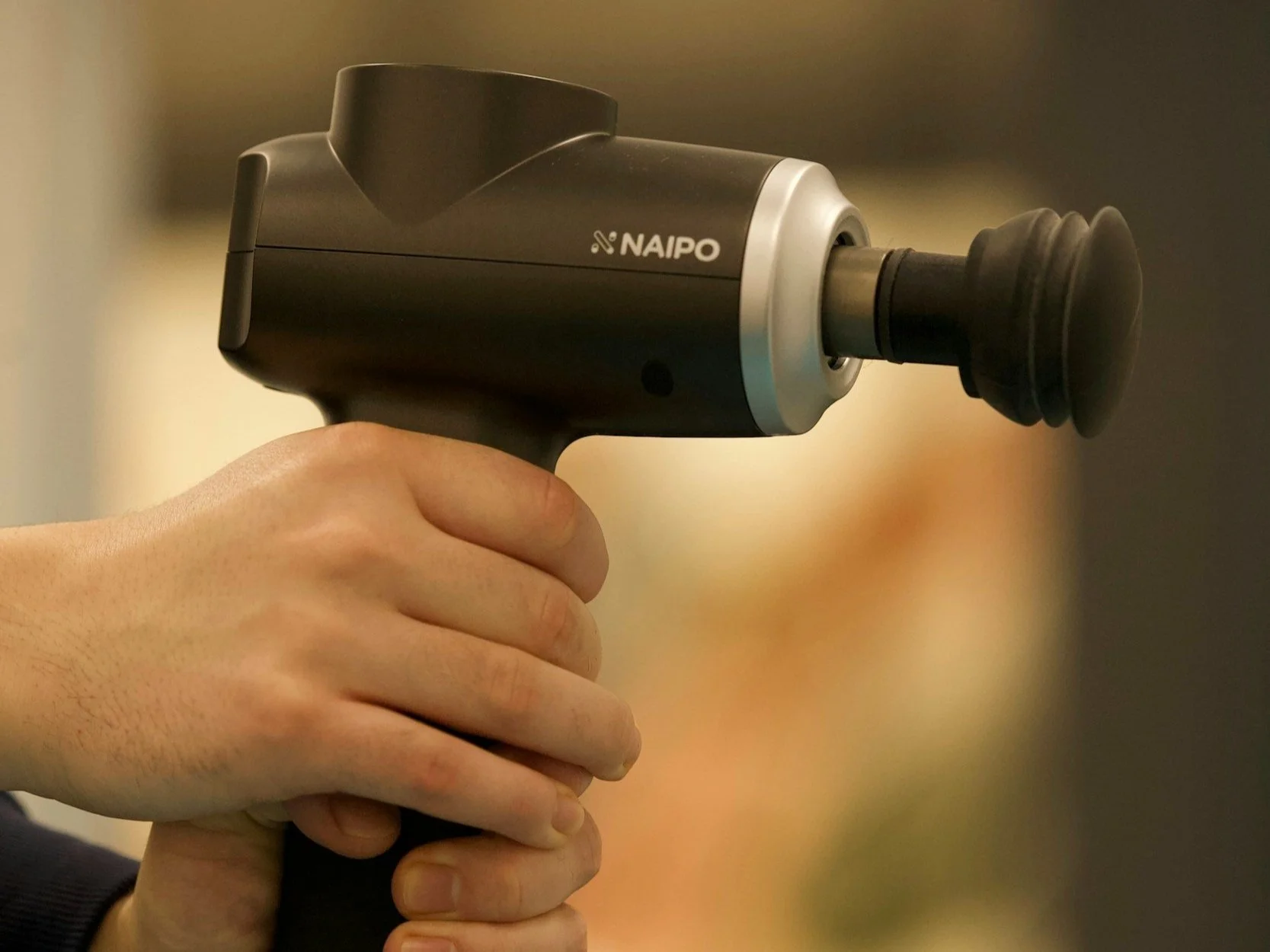
Massage guns promise quick muscle relief, better mobility, and faster recovery. Here’s what research actually shows and how to use them safely for real results.
Fitness isn’t just about muscle or cardio. Learn why strength, mobility, cardio, and recovery all matter — and how to build a strong, sustainable fitness base.
Curious if recovery tools like foam rollers or massage guns actually help? Here’s what science says — and which tools are worth using after workouts.
Flexibility helps you stretch. Mobility helps you move. Learn the difference — and how to train both for smoother movement, fewer injuries, and less tightness.
Fitness Insights
Mental Health Insights
Burned out and dreading Mondays? This step-by-step weekend burnout reset shows you how to use your two days off to actually recover, not just pause and repeat.
Learn the key signs your nervous system is stuck in overdrive. Discover simple, science-backed daily practices that can help your body shift back toward calm.
Social anxiety makes everyday interactions overwhelming. Learn signs, causes, and evidence-based strategies to manage fear and reclaim your social life.
Discover 7 science-backed nighttime habits that quiet racing thoughts, lower stress hormones, and help your body naturally transition into deep, restorative sleep.
Chronic inflammation can influence mood and brain function. Learn how immune signaling affects mental health and which habits support long-term regulation.
Mindfulness can support ADHD self-regulation and improve symptoms. Discover 7 practical techniques that improve focus and emotional balance for everyday life.
Lower cortisol naturally with 5 science-backed daily habits that calm your nervous system, reduce everyday stress, and support long-term emotional resilience.
Seasonal depression begins with subtle shifts in mood and energy. Learn how to recognize early signs and use simple, science-backed habits to prevent symptoms.
Screen time is rising, and algorithms shape more of your day than you realize. Here’s how digital overload rewires the mind — and how to reset your nervous system.
Wearable health data reveals how stress affects your body. Learn science backed tips on how your smartwatch insights can help you recognize and prevent burnouts.
Discover 5 science-backed ways to calm your body and mind after a stressful day. Learn daily habits that retrain your nervous system to recover and balance again.
Feeling unmotivated or unfocused? Discover how to reset your dopamine system through science-backed daily habits that rebuild motivation and restore balance.
What panic attacks feel like, a 5-step method to stop one fast, and a simple plan to prevent the next with daily skills, graded exposure, and steadier routines.
Learn how genuine relationships and connection lowers stress, stabilizes mood, improves sleep, and follow a simple plan to rebuild meaningful social support.
Spot the early signs and stages of emotional exhaustion at work. Use this 3-step science-backed plan to stop energy leaks and to restore focus and effectiveness.
Night rumination keeps your mind revved when you want to rest. Use 7 evidence-based techniques to contain loops, lower arousal, and train a calmer mind.
Concerned about “AI-psychosis”? This guide explains what AI-induced risks actually look like, who’s at risk, and the simple guardrails that can keep you grounded.
Emotion labeling, the act of naming your feelings, reduces stress, calms the brain, and strengthens resilience. Backed by neuroscience, it’s a simple daily tool.
AI chatbots promise instant therapy, but experts warn they can miss red flags and give unsafe advice. Learn the risks—and safer ways to protect your mental health.
Discover how music, frequencies, and nature sounds influence mood and sharpen mental clarity — while calming your nervous system and easing racing thoughts.
Autism is undercounted and often ignored in mental health, leaving many people without support. Learn why it happens and what it means for autism awareness.
Learn how to use sensory grounding to calm anxiety, regulate emotions, and stay present. A simple, powerful daily habit you can practice anytime, anywhere.
Learn how to clearly recognize the three stages of burnout, identify early warning signs, and take action before exhaustion harms your health and work life.
Resilience isn’t something you’re born with — it’s something you train. Discover daily habits that build lasting mental strength and long-term emotional regulation.
Chronic stress physically reshapes your brain — but it can be reversed. Learn how to protect and restore brain health with evidence-based daily habits.
ADHD and anxiety share symptoms but require different treatments. Learn the key differences — and why so many people are misdiagnosed or untreated.
Learn the simple daily habits that support long-term mental clarity, emotional calm, and focus — without overwhelming your schedule or burning yourself out.
Learn how to spot the difference between emotional exhaustion and burnout — and what to do to effectively recover from both using science-backed strategies.
Body scanning is a simple mindfulness practice that helps you calm your nervous system, release tension, and reconnect with your body — in just minutes a day.
These 5 daily mental health check-in questions help you stay grounded, process emotions, and reconnect with yourself — taking just a few minutes a day.
Nutrition Insights
Limit added sugar in your diet without cutting carbs. This 7-day reset helps reduce cravings, stabilize energy, and recalibrate your taste preferences naturally.
Learn why drinking water causes bloating and when it becomes dangerous. Discover how much is too much and simple fixes to stay hydrated without discomfort.
Is alkaline water better for digestion than regular water? This evidence-based guide explains pH, stomach acid, reflux claims, and smarter hydration habits today.
Learn why the afternoon energy crash happens and which science-backed strategies genuinely work to restore your focus, and productivity during the mid-day dip.
Ultra-processed foods aren’t always obvious. Learn how to spot them on nutrition labels by reading ingredient lists and identifying common formulation patterns.
Back from vacation and feeling bloated? This science-backed reset helps restore digestion, reduce water weight, and bring energy back within days after travel.
Persistent bloating isn’t always harmless. Learn the key warning signs that signal when gut symptoms may signal serious issues and need medical attention.
Dehydration often shows up long before thirst. Learn the hidden signals your body sends and how to improve hydration to support digestion and well-being.
Moderate coffee intake can actually support heart health and lower cardiac risk. Here’s what research shows and how to drink it for the most protective benefits.
Enjoy the same Thanksgiving dishes with lighter and more wholesome ingredients. These simple swaps keep familiar flavors while supporting better digestion.
Meal sequencing helps reduce glucose spikes, curb crashes, and supports easy digestion. Learn how your food order can improve how you feel after meals.
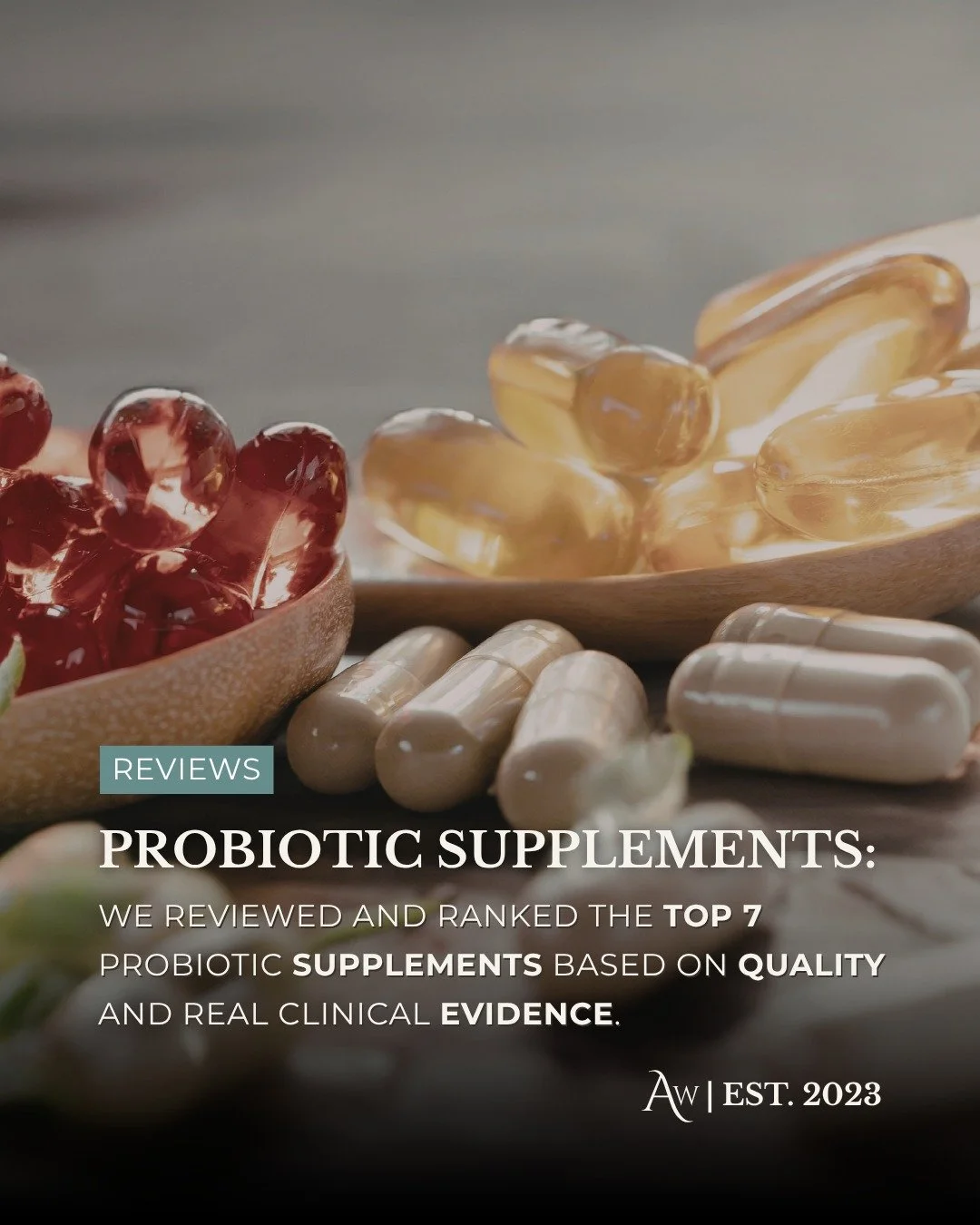
Probiotics alone won’t heal your gut. Discover how balanced nutrition, fiber, and daily habits naturally restore your microbiome and help to reduce bloating.
Electrolyte packets promise faster recovery and hydration—but are they worth the hype? Here’s what science and research says and when they do and don’t help.
Calories measure energy, not health on their own. Learn what calories really mean, how your body uses them, and why context matters more than the number.
A practical fall guide to seasonal eating: benefits, regional produce lists, budget shopping, storage tips, a flexible 7-day menu, and five smart weekly picks.
Keep greens crisp and fruit fresh. This step-by-step water-only routine shows how to wash, dry, and store produce by humidity and ethylene in under 30 minutes.
Want to feel fuller without meds? Build protein-anchored, fiber-forward meals that naturally support GLP-1. Get food categories, simple rules, and a one-day menu.
Reduce bloating and IBS flares with a research-backed low-FODMAP food list. See what to eat, what to avoid, portion sizes, and how to reintroduce foods safely.
Chewing isn’t just about breaking food down — it improves digestion, nutrient absorption, and satiety. Learn why slowing down makes a big difference.
Ever wondered why big meals make you so tired? Learn the science behind food comas, from digestion and hormones to brain activity, and when it’s normal.
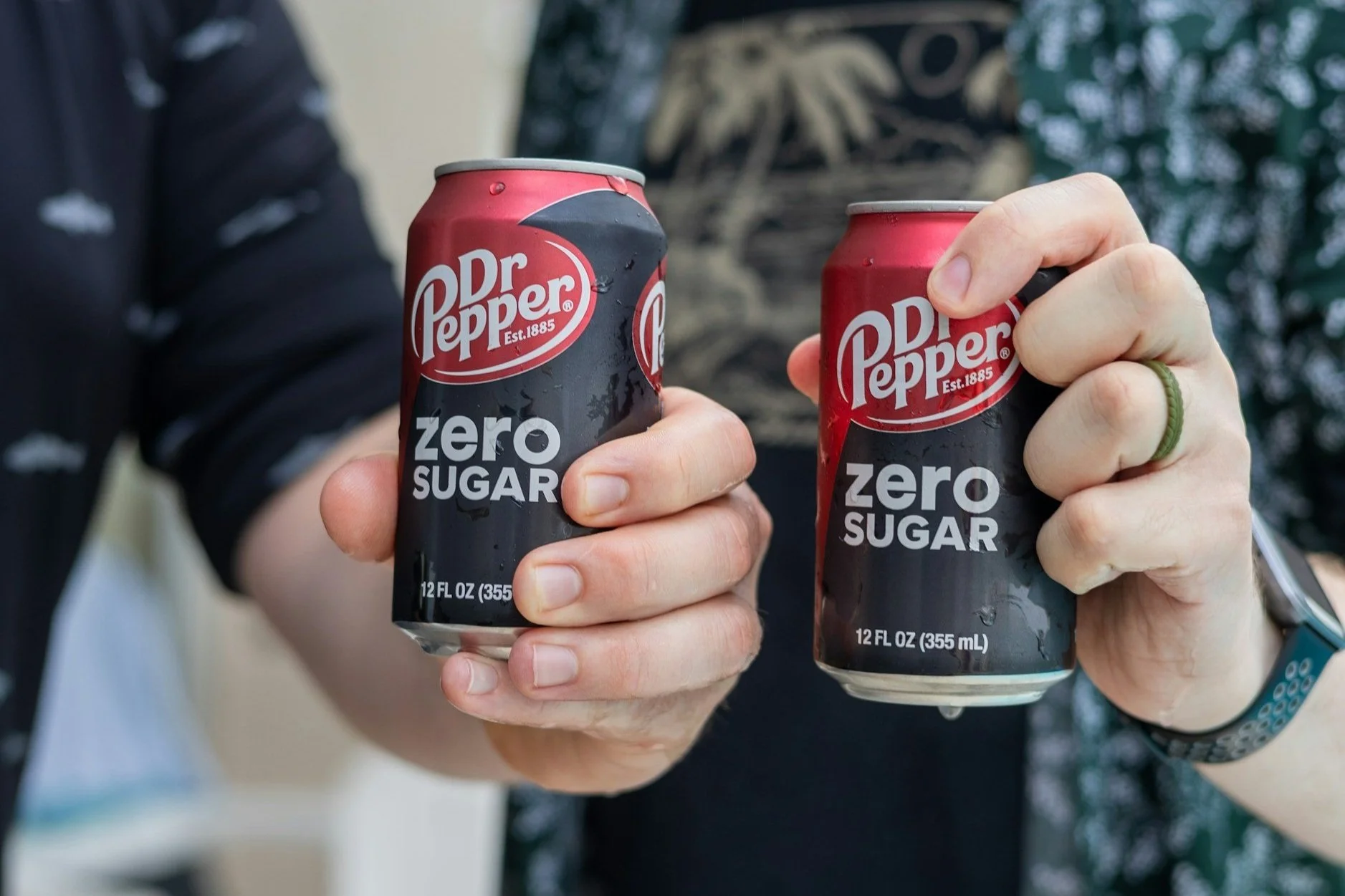
Think “Zero Sugar” means sugar-free? Think again. Learn the top 5 labeling tricks food brands use to hide sugars and how to spot them before they impact your health.
Recurring breakouts or facial redness? Your gut may be the hidden culprit. Learn how bloating and digestive imbalance trigger skin flares.
Many believe drinking water with meals weakens digestion, but science shows the opposite. Discover how hydration supports nutrient absorption, gut motility, and overall digestive health.
Explore the 5:2 intermittent fasting method, how it works, and whether it can help rebalance your energy and support long-term health.
Learn how to read nutrition labels step-by-step, spot hidden sugars and sodium, and choose foods that support better digestion and overall health.
Your brain and gut are in constant communication. Discover how your diet impacts mood, stress, and mental clarity — and what to eat to feel better.
Chronic dehydration can slow digestion, inflame your gut, and drain your energy. Here’s how to recognize it — and how to rehydrate the right way.
Rebuild your energy and digestion with a gentle daily nutrition reset — no cleanses, no restriction, just simple habits that nourish your body and gut.
Learn the early signs of gut imbalance — and how to reset your digestion, reduce bloating, and rebuild a healthier microbiome with science-backed strategies.
Wondering when to drink water for better digestion? This science-backed guide breaks down what works best — before, during, or after meals.
Shift work throws off your circadian rhythm causing fatigue, poor sleep, and long-term health risks. Here are 7 evidence-based strategies to help you reset it.
Most people forget their dreams shortly after waking. Here’s why that happens, what REM sleep is doing in your brain, and when dream recall actually means something.
Feeling tired after even 8 hours of sleep? Discover why adequate sleep duration doesn't always mean quality rest and how to finally wake up refreshed every morning.
Restless leg syndrome is a neurological condition that disrupts sleep with an immense urge to move. Learn why symptoms strike at night and how to find relief.
Sunrise alarm clocks promise gentler mornings but do they actually improve sleep cycles? Here’s what the science says about light, timing, and circadian rhythm.
Discover when to stop drinking caffeine for more consistent sleep that improves sleep recovery. Learn how to personalize your cutoff time giving up coffee completely.
Sleep paralysis can feel terrifying and supernatural. Learn what causes it, why hallucinations happen, and how consistent sleep habits reduce episodes over time.
Room temperature plays a major role in sleep quality. Discover how different temperature ranges affect rest and learn how to identify your ideal nighttime setting.
Sleeping position affects brain detox, breathing, and muscle recovery more than you think. Learn small, science-backed adjustments that improve sleep quality.
Learn which aromatherapy tools improve sleep quality and calm your nervous system. Discover options ranked by science, evidence, and real-world results.
Reset your sleep by using morning light to anchor your circadian cycle. Learn how a simple routine can help you fall asleep faster and wake feeling energized.
Your sleep environment might be doing more than you think. Discover how silence and white noise uniquely influence your brain, body, and nightly rest.
Simplify your space and calm your mind. Discover how small science-backed tweaks can transform your bedroom into a minimalist sleep sanctuary for better rest.
The insomnia playbook: start with CBT-I, anchor your clock, and use orexin-blocking meds when needed. Includes a 14-day plan, practical adjuncts, and FAQs.
Weighted blankets can calm the nervous system for some sleepers. Learn how to choose them properly, who benefits most, and when other sleep habits matter more.
Reset your body clock fast. Use direction-specific light, timed caffeine, brief naps, and a simple 48-hour on-arrival routine to sleep sooner and feel better quckly.
Chasing perfect sleep numbers can make sleep worse. Learn what to track, what to ignore, and a simple two-week reset that helps your device serve your routine.
Make better sleep automatic with the 10-3-2-1-0 countdown. Cut late caffeine and heavy meals, shut down work and screens, and anchor your wake time for better sleep.
Many people believe you can train yourself to function on less sleep — but research shows otherwise. Learn why quality and consistency matter more than hours.
Napping isn’t lazy, it’s science. Discover how short rests improve memory, mood, and energy. Learn what the best nap length and timing for maximum benefits.
Sleep patches promise an easier way to fall asleep, but results can vary. Learn how they work, who they may help, and when expectations need some adjusting.
Staying up late on weekends may feel harmless, but it can disrupt your circadian rhythm for days. Learn how these small shifts affect your health—and what to do about it.
Some people dream in vivid color, others in black and white. Discover why dream perception varies and how sleep quality affects the ability to recall dreams.
The position you sleep in can affect spinal alignment, breathing, digestion, and recovery. Learn the best and worst options — plus how to switch safely.
Discover if you really need exactly 8 hours of sleep. Learn how much rest your body needs, the role of sleep quality, and how to discover your ideal sleep duration.
Blue light doesn’t just delay sleep, it interferes with melatonin, circadian timing, and sleep depth. Here’s how screens affect your brain and what actually helps.
Sleep hygiene isn’t just about habits — it’s about light, temperature, and timing. Learn how these sensory cues shape the quality of your rest.
Sleep trackers can offer insight into sleep patterns, but they aren’t a measure of sleep quality on their own. Learn when they help—and when relying on data can backfire.
Struggling with a broken sleep schedule? Learn how to reset your circadian rhythm naturally and get back on track — no pills or extreme fixes required.
Struggling to fall asleep fast? These 7 evidence-backed habits prepare your brain and body for rest — so you can sleep deeper, sooner, and more easily.